JOIN US IN ATHENS FOR THE GEORGIA BIKE-WALK-LIVE SUMMIT 9/10-11!
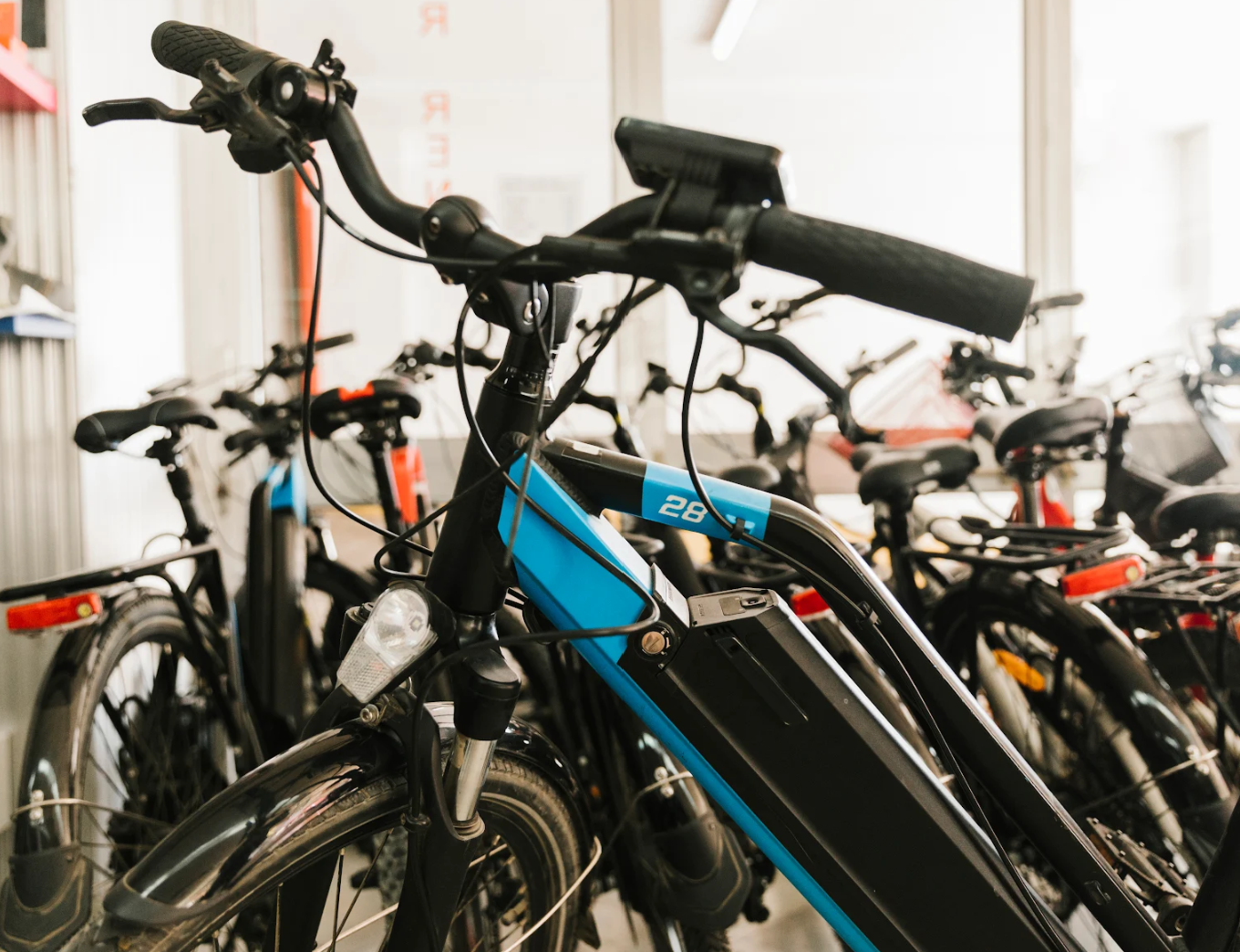
This past holiday season, e-bikes and electric motorcycles were a common theme in gift exchanges all across the country. With rising popularity and dropping costs, electric bicycles are an exciting prospect for anyone. E-bikes are practical, fun, and accessible, but it’s essential to understand what kind of e-bike you have, what unique safety considerations apply to e-bike riders, and where you’ll be riding the e-bike. Failing to consider these factors can lead to issues with functionality, safety, and even legality.
Georgia state law classifies bicycles as vehicles (O.C.G.A. § 40-6-291). E-bikes adhere to the same operational laws as bicycles. Additionally, e-bikes are labelled and categorized based on their capabilities as one of three categories:
.png)
If the vehicle has capabilities outside of or beyond these three class definitions, then it isn’t legally an e-bike at all.
Most electrified two-wheeled vehicles that don’t fit into the three e-bike classes are categorized by state law as either mopeds or motorcycles; these may require registration, a license/permit, a helmet, and/or a minimum age to operate. Some of these are marketed as e-bikes, e-motos, e-scooters, electric dirt bikes, and/or electric motorcycles. However, the name they are given is not what determines their legal classification. Electrified two-wheeled vehicles that do not fit within the definition of e-bikes are often not legal to operate in many of the same spaces as traditional bikes. These vehicles are not permitted on sidewalks, and usage on roads or on trail systems varies depending on trail surface, local rules, and vehicle capabilities.
So, it’s critical that you consider the vehicle you received or purchased. There should be a label on it, probably on the top tube, designating its class and motor power. If there is no label, which is common in bicycles bought via an online vendor, ask yourself the following questions: First, does it have operable pedals that can propel the bike forward? Second, is the motor’s power less than 750 watts? Third, what is the bike’s top speed when propelled by the motor? Fourth, what manner of motor assistance does the bike utilize - a throttle, or pedal assistance? Using this information, you should be able to determine whether your vehicle is an e-bike and, if so, what class you have.
E-bikes are popular among all ages, but it is becoming increasingly common to see adolescents riding e-bikes.
While the minimum age to ride a class 3 e-bike is 15, a class 1 or 2 e-bike could still be too powerful or too heavy for youth to control and ride responsibly. For older adults or people with certain disabilities, e-bikes can help to make cycling accessible, but the weight of e-bikes, as well as their fast speeds, can often surprise first-time riders. These elements of riding can be so unexpected as to cause riders to lose control and crash simply from mishandling the bicycle.
No matter who is riding the e-bike, it’s best to conduct a few rides in safe conditions under supervision. Test the pedal assist and/or throttle capabilities of the bike. Try to lift it up over a curb or step. Get accustomed to the braking and steering under speed. Practice mounting the bike and beginning to pedal forward on flat surfaces and inclines. If any of these actions are difficult for the rider to perform safely, it’s best to consider a different bike or transportation option.
It’s essential to understand the differences between where e-bikes and bicycles are permitted for riding.
First, bicycles of any kind are not allowed to be ridden on sidewalks in Georgia, except in certain communities where the local government permits people 12 years old or younger to do so. (O.C.G.A. § 40-6-144). Riding on sidewalks poses a risk to pedestrians using the space and to bicyclists who may not be prepared for standing obstacles, uneven surfaces, or crossings of roadways or driveways with insufficient visibility. If you’re planning on using sidewalks as part of a regular bike route, be sure to walk your bike through that section, and return to riding on the road when you feel comfortable.
Class 3 e-bikes are not permitted on many trail systems in Georgia (O.C.G.A. § 40-6-303), so it is inadvisable to gift a class 3 e-bike to someone who primarily rides on multi-use trails. While a class 1 or 2 e-bike would be an excellent choice for multi-use trail users, a class 3 e-bike would be best suited for bicyclists who ride on roadways and in bike lanes or cycle tracks due to its higher speed and legal classification.
Maintenance: Assemble your e-bike properly according to the manufacturer's instructions. Adjust and maintain all parts to ensure they are in good condition. The weight and speed of e-bikes cause quicker wear on chains, brakes, and tires. Be sure to inspect these components of your e-bike regularly and ensure the parts are optimized for your bicycle. If you’re unsure about your bike’s parts, take it to a local bike shop for professional advice. Not all e-bikes are serviced at all shops so call ahead to ensure that your brand or model is accepted by your chosen mechanic.
Motor: Do not modify the motor or speed management system on your e-bike, and use the motor as directed in your e-bike’s instructions. Consult the manufacturer of your e-bike in the event of system errors. Some bike shops may also be able to assist you with system errors.
Weight: E-bikes usually weigh between 30 and 80 pounds, while traditional bikes average between 11 and 45 pounds. That weight can make them more difficult to handle safely, both while riding and when transporting via a car rack or up stairs. If you plan to start most rides at a trailhead instead of your home, then consider transporting the e-bike to this location as part of the process. In this case, a light e-bike, or one that folds or disassembles for storage and transportation purposes, may be more appropriate than one with extensive battery power or high-speed capabilities. It’s best to check the weight of any bike you plan to buy and ensure you can lift that weight comfortably if needed.
Battery: It’s important to use batteries and chargers that are compatible with your e-bike and meet safety standards. Be sure to check for UL 2849 certification on your e-bike battery. Take extra care to prevent battery dislodgement by properly attaching it to your e-bike. Be sure not to use damaged, modified, or incompatible batteries. Prevent battery fires in your home by using certified batteries and unplugging the battery and the charger once they’re fully charged.
Hopefully, if you or a loved one received an e-bike this holiday season, you’re excited to get riding but also considerate of the planning required to use and enjoy it safely. If you’ve already determined what kind of e-bike you have and confirmed that it suits you and your preferred riding style, then you can start thinking about how to get accustomed to operating it safely!
Be sure to read your e-bike’s manual attentively to familiarize yourself with all the controls and safety features. Practice using each one in a safe environment. Charge it safely in the manner recommended by the manufacturer, which likely involves not leaving it plugged in unattended and not using secondhand or unapproved batteries. When leaving it in a public place, use a strong lock that secures the frame, wheels, and battery/motor elements to a stationary and grounded object. Ride cautiously in a way that considers both your safety and others’!
For easy reference to the rules and regulations mentioned in this article, please review our e-bike safety brochure: E-Bikes in Georgia, which is available on our website.
Happy trails and safe riding!


